Science Is Essential
Science touches so many aspects of modern life that it's hard to keep up. Through our programs and this website, Science for the Public provides up-to-date information about scientific innovations, discoveries, and issues that are shaping modern knowledge.
Cosmos: Galaxies
Stars formed in clusters in the huge clouds that became the early galaxies...
Resistance to New Ideas
Many of the most important advances in scientific understanding were initially rejected or ignored.
Life: Defining Life
The fine line between animate and inanimate, and between quasi-life and life. ....
Featured Items
What Your Food Ate
07/18/23 The actual nutritional value of our food depends on the quality of soil in which it is grown. Healthy soil, healthy people, healthy planet.
David R. Montgomery & Anne Biklé
Social Media and Mental Health
02/21/23 There is increasing concern about the impact of social media on mental health, especially among young people. What causes this problem and how should it be addressed? Jacqueline Sperling
Heads Up! Surprising Stats
Science for the Public is committed to improving public knowledge of science and public appreciation for the contributions of science to social progress.
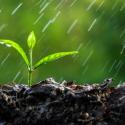
Soil: The Skin of the Earth
10/06/15 Soil is essential for life on Earth, and life greatly enriches soil. How did the pedosphere evolve, what makes it dynamic, and how can we save it?,,,,,,,,,,...
Andrew Kurtz
Stem Cell Research and Communicating Science
10/03/23 A distinguished pioneer in stem cell research for oral conditions, wound healing and diabetes explains the issues and the advances in this field, and the importance of science communication for the public. Jonathan Garlick

Energy Revolution!
05/21/15 Conversion to wind and solar power is entirely possible now in the U.S. Mara Prentiss
Today's Featured Contributors
Featured Author

John Quackenbush, Ph.D.
A very engaging discussion of the human genome project by one of the researchers involved
Featured Guest

Beth Orcutt
A specialist in the important role of deep-sea microbial ecosystems that are the foundation for marine life. These ecosystems may be disrupted by deep-sea mining and sub-seafloor carbon sequestration.
As a world society, it seems clear that we have arrived at a point in our history when there must be a major increase in the capability of ordinary people to cope with the scientific and technological culture that is shaping their lives and the lives of their children.
—Leon Lederman, Nobel Laureate in physics